.

Photo by A. Schirrer
As a legal anthropologist I am drawn to studying the governance of difference and the politics of recognition that emerged after the second world war and how they have gradually assumed a global form through a universal human rights logic. With a focus on racialization and policy-making, my work seeks to understand the socio-political and legal implications of the materials through which claims to redress are made. Through an analysis of the moral imperative of redress for historical injustices, it articulates the ethical obligations of settler states to adequately respond to a growing ecological debt through various forms of redistribution.
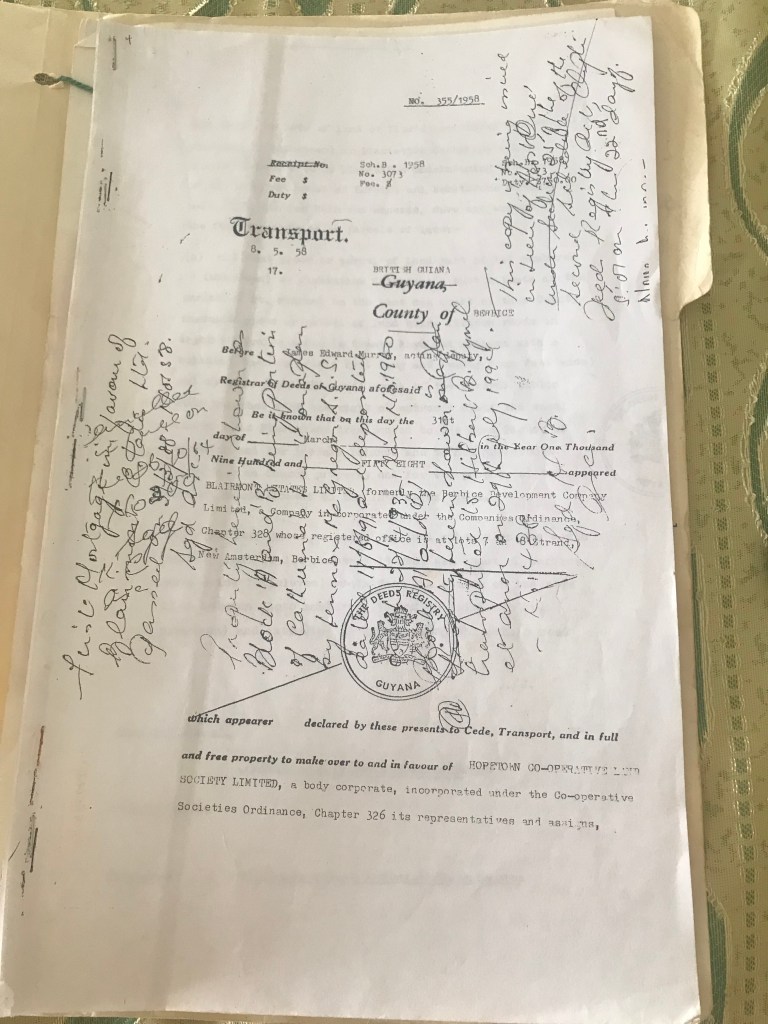
My current research is concerned with settler state responsibility for historical injustices in the Caribbean, and the imperative of moral and material redress for transatlantic slavery, which I examine through political economies of land and labor. Analyzing how claims to reparations for slavery operate across multiple organizational scales, my first book project tentatively entitled Reparative Reason: Redress and the Politics of Land Claims in Guyana focuses on claims to collective property rights to land. Based on 18 months of doctoral fieldwork between 2016-2020, during which I conducted ethnographic research with a transnational network of actors across multiple organizational scales, including the Guyana Reparations Committee, and the Caribbean Community Secretariat in Georgetown, Guyana, it examines how state and non-state actors create new forms of political and legal identities in global borderland zones between the logics of the state and international human rights law. This project argues for the material specificity of reparatory justice as a way to locate state responsibility for historical injustices.
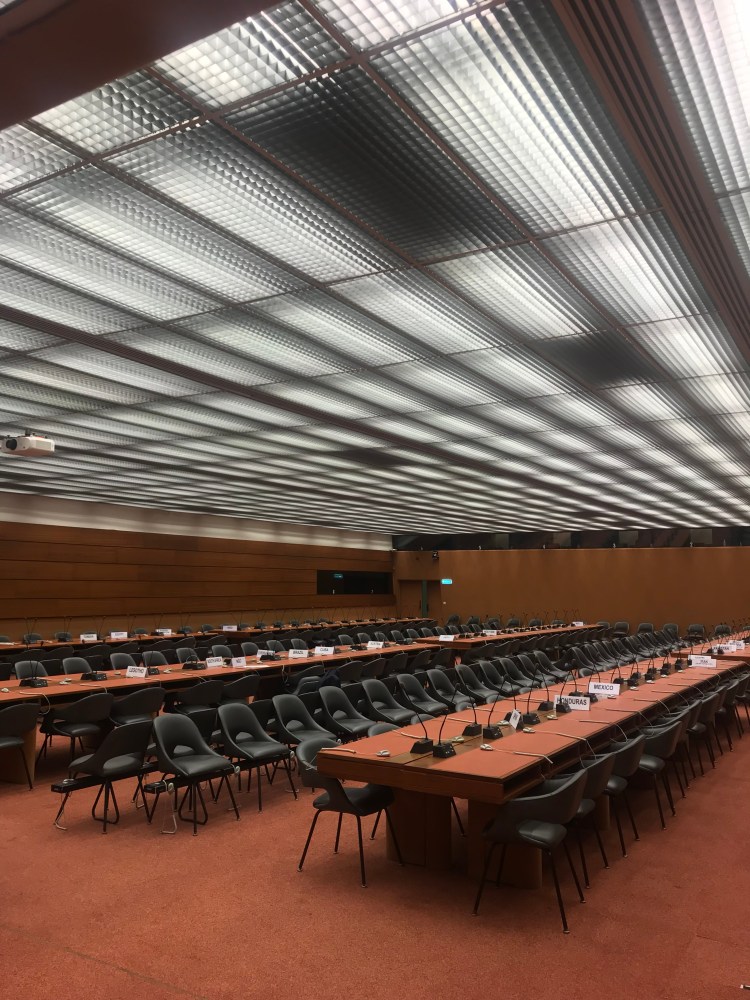
Photo by A. Schirrer
With its large forest areas, Guyana is also the host of a number of conservation-, forest protection, and sustainable development projects. Scandinavian donor countries in particular, support projects that seek to reduce deforestation and degradation, and to protect forest-dependent communities. Building on my doctoral research, my second project explores the historical and racial logics of international development aid, and the colonial origins of neutrality politics. Provisionally entitled Diplomatic Repair, it sits within a broader discourse of decolonization, development, and diplomacy in the Global North. What do repair and decolonization mean inside international organizations whose ‘humanitarian’ ethos has historically been closely aligned with Western European ‘civilizing’ colonial interventions in the Global South? Set within a longer history of protectionist policies, this project explores how international development donors decide on the regional aid recipients. I come to these questions with a particular interest in Scandinavia’s international commitments to human rights in the second half of the twentieth century.
 Anna Kirstine Schirrer